HISTORY OF SANT MORI CASTLE

A Medieval Castle in the Empordà
See More

A Medieval Castle with History

Sant Mori Castle, history and Gothic charm in Catalonia

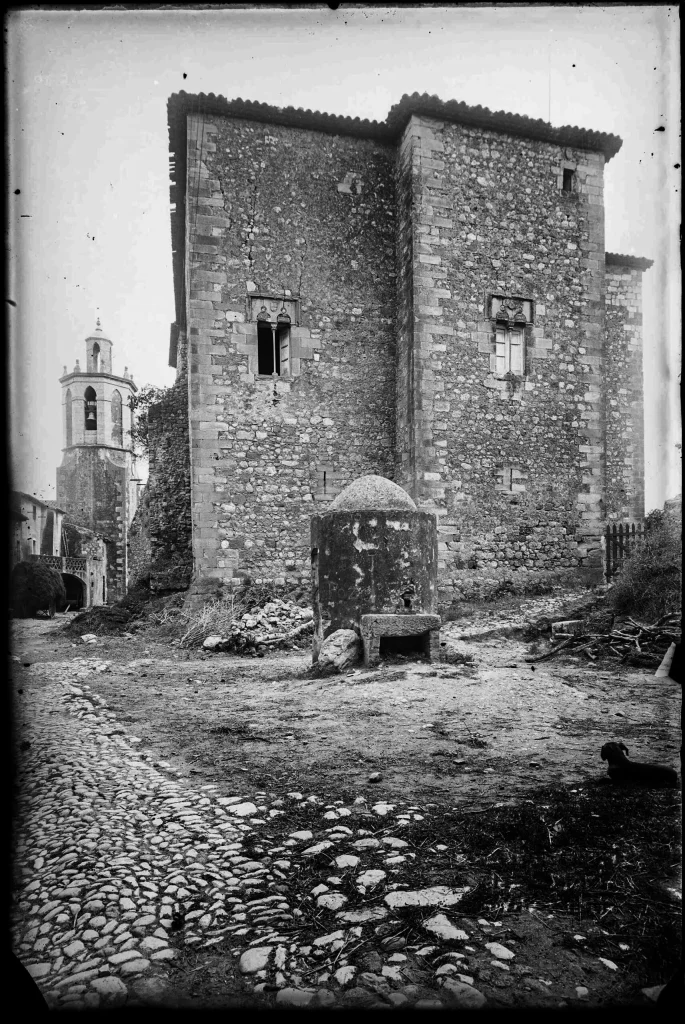
The castle-palace of Sant Mori, also known as Castell de Rocabertí, was built in the 15th century on the ruins of a previous building. In the 16th century, its first and most important remodeling was carried out, giving it the Gothic-Renaissance character and appearance that we can admire today.
Castell Palau Sant Mori 1944

An unmistakable symbol upon arriving in Sant Mori

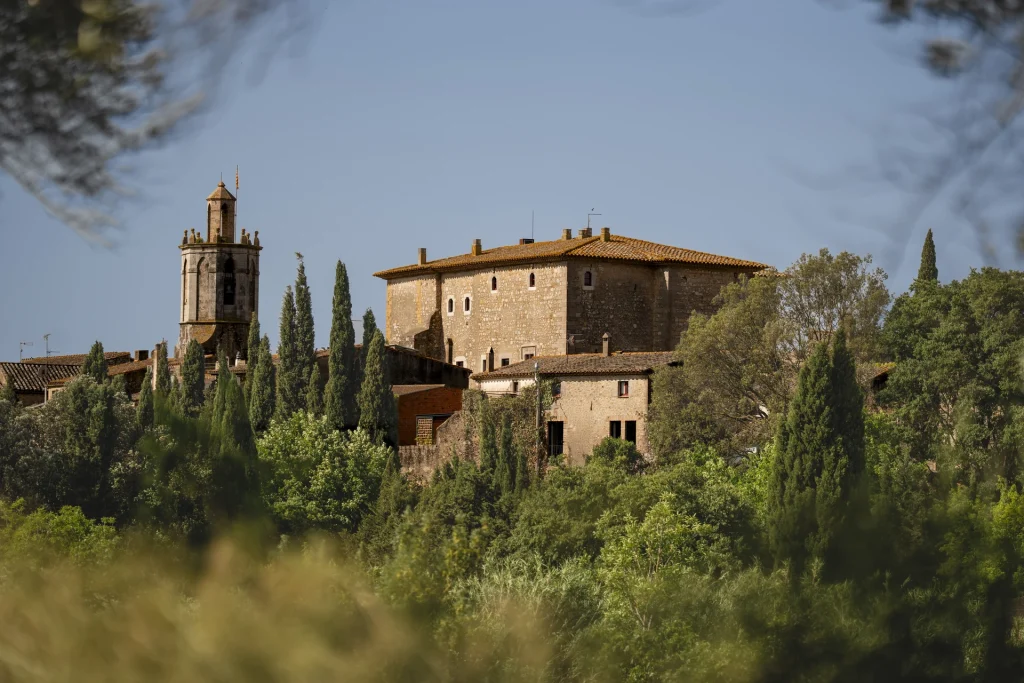
As you approach Sant Mori from the Vilaür road, the first thing that catches your eye is its imposing 15th-century castle-palace, rising majestically above the village skyline. This robust and austere silhouette dominates the rooftops, rivaling in prominence the nearby tower of the parish church.


Thus, even before wandering through its streets, visitors can easily recognize the presence of the castle as the most striking and representative visual landmark of the municipality.

El pueblo medieval de Sant Mori entre árboles.

A privileged natural setting

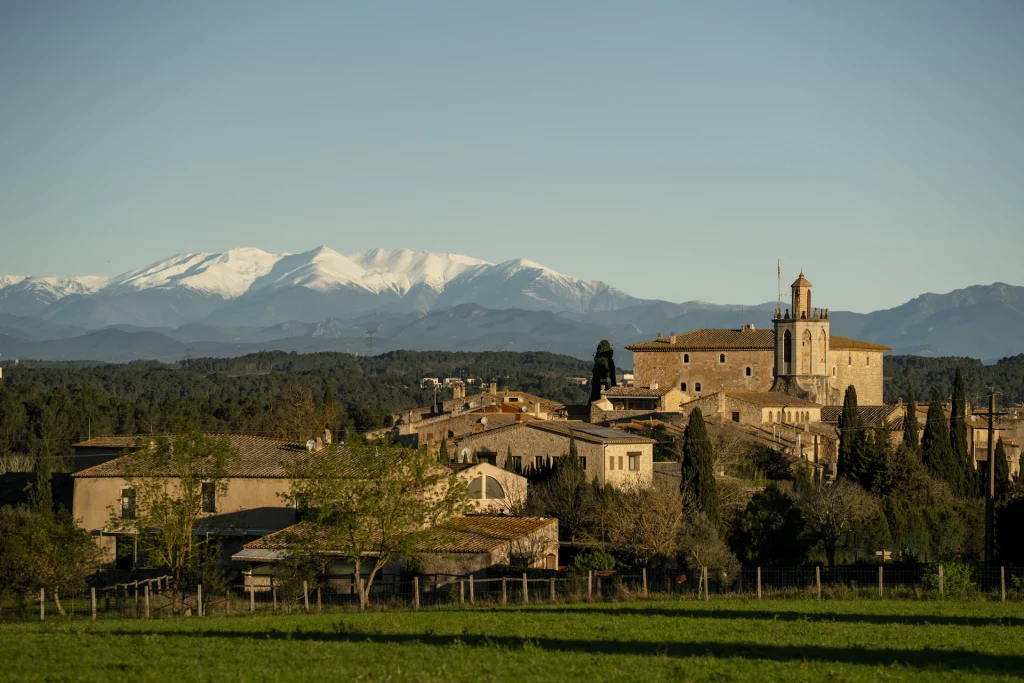
The village is surrounded by an exceptional natural environment. Sant Mori rises among vast cultivated fields and gentle hills, flanked by pine forests that bring freshness and greenery. Just a short distance away, the Mediterranean breeze hints at its proximity to the sea, without losing the tranquility characteristic of the inland Empordà.

This balance between sea and mountains makes it an ideal retreat for those seeking peaceful landscapes, fresh air, and the rich biodiversity typical of the Alt Empordà region.

Vista panoràmica del Castell de Sant Mori amb els Pirineus de fons

Urban layout and architectural style of Sant Mori

Sant Mori preserves a narrow, elongated urban layout that clearly reveals its medieval origins. The village follows a linear arrangement, adapted to the rural environment that surrounds it.

The houses maintain a traditional aesthetic, built of stone and topped with Arabic roof tiles, respecting the harmony of the whole. This authenticity is due in part to careful restorations carried out by those who seek in Sant Mori a sense of tranquility and rural charm, surrounded by fields and pine groves. The proximity to the sea adds appeal, without sacrificing the peace characteristic of the inland Empordà.

CASTLE TIMELINE

12th Century (1149)
First Documented Mention

The castle is mentioned for the first time in the sacramental testament of Guerau de Rupià.

13th Century
Property of the County of Empúries

It becomes the property of Dalmau de Creixell and it is believed that it could have been linked to the convent of Sant Miquel de Fluvià.

15th Century
Stay of Queen Juana Enríquez

During the Catalan Civil War or the Remensas War, Queen Juana Enríquez, mother of Fernando the Catholic, settled in the castle.
October 15, 1466: The queen convenes the Parliament (Catalan Courts) inside the castle to resolve conflicts in the region.

15th Century
Fernando the Catholic Ceded the Castle to Pere De Rocabertí

It becomes the center of the barony of Sant Mori.

16th Century
Great Remodeling of the Castle

An important Gothic-Renaissance reform is carried out, giving it its current appearance.

20th Century (1900)
Restoration of the Castle

Francesca Güell carries out a restoration to preserve the structure of the castle and keep it in good condition.

21st Century
Transformation into an Exclusive Accommodation

The castle is used for high-level tourism, offering a unique experience to visitors.
It has been owned by the same family from the 15th century to the present day.

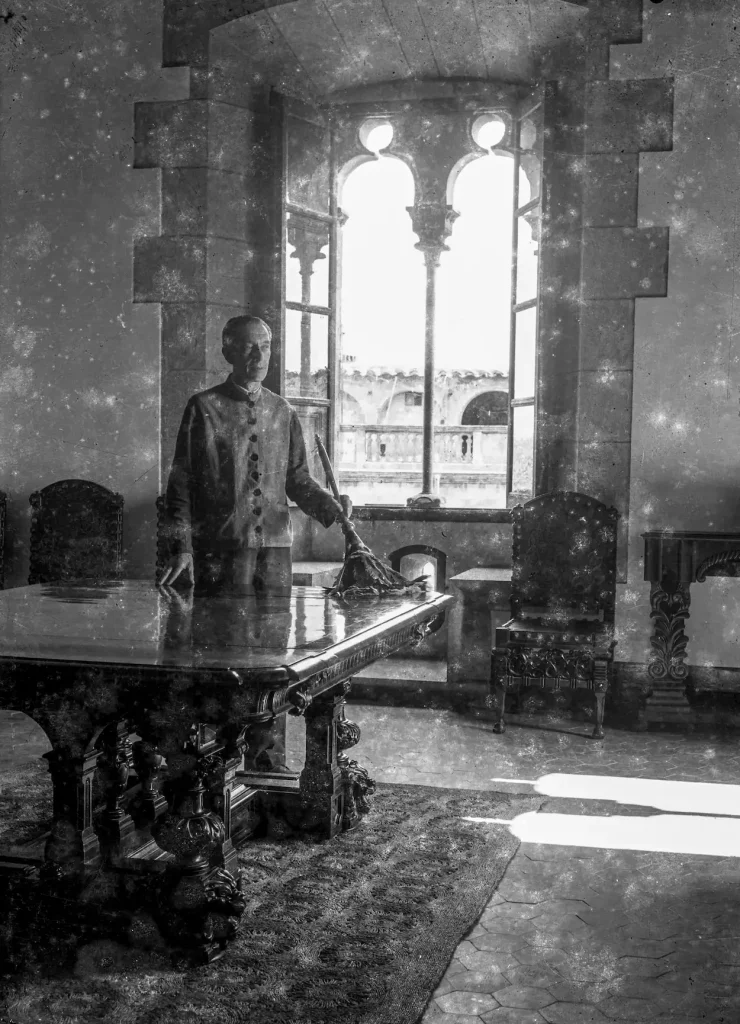
Intertior Castell Palau Sant Mori 1944
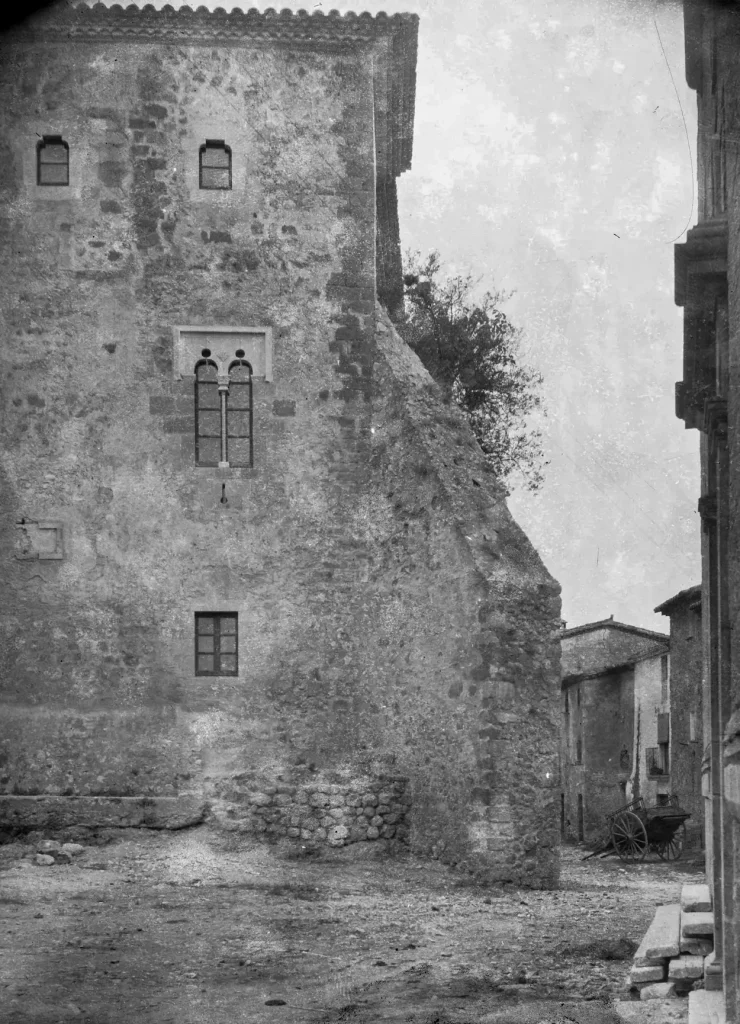
Exterior Castell Palau Sant Mori 1944

Historical Figures Linked to Sant Mori Castle

The castle of San Mori, which has witnessed crucial events, has also housed important figures in our history. Today it stands as a monument that preserves the essence of those times, offering guests a direct connection with the past.

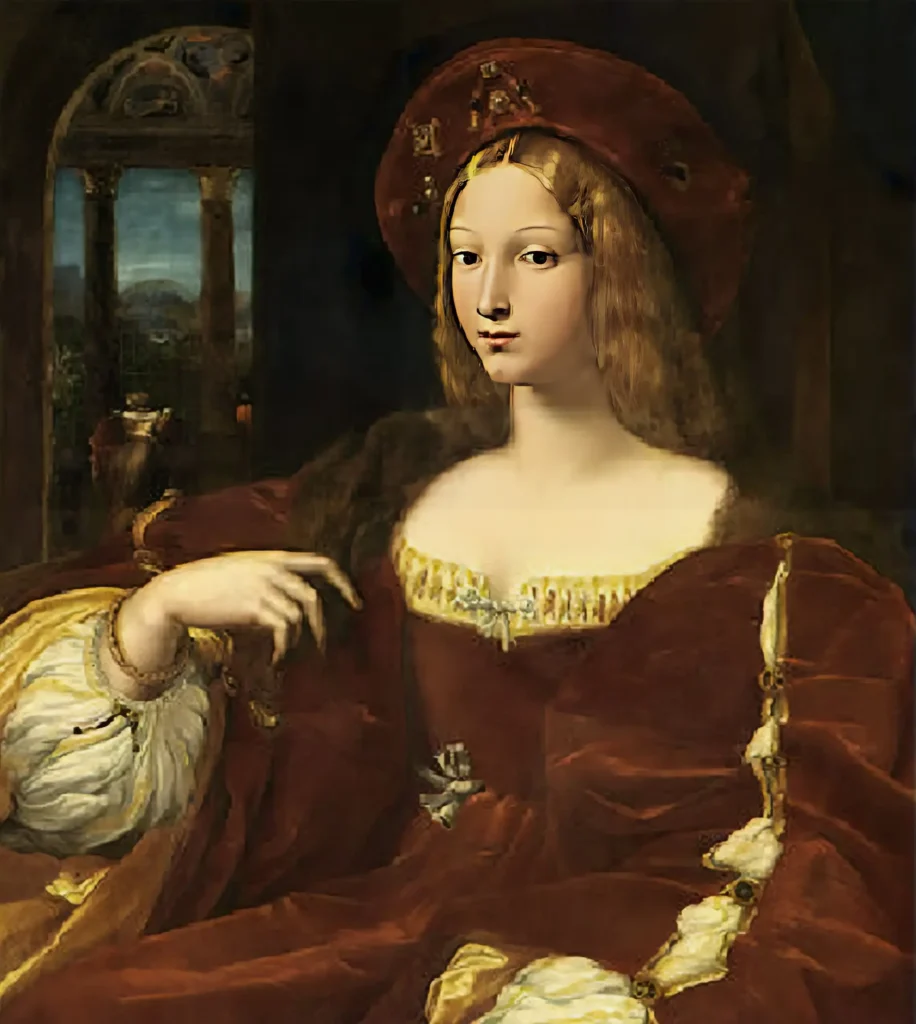
Reina Juana Enríquez

Queen Juana Enríquez

(1425-1468)

Mother of Fernando the Catholic and wife of Juan II of Aragon, Queen Juana Enríquez took refuge in Sant Mori Castle during the Catalan Civil War in the 15th century. It was during this period when, on October 15, 1466, the queen convened the Parliament of the Catalan Courts in the castle, with the aim of resolving the conflicts that plagued the region.
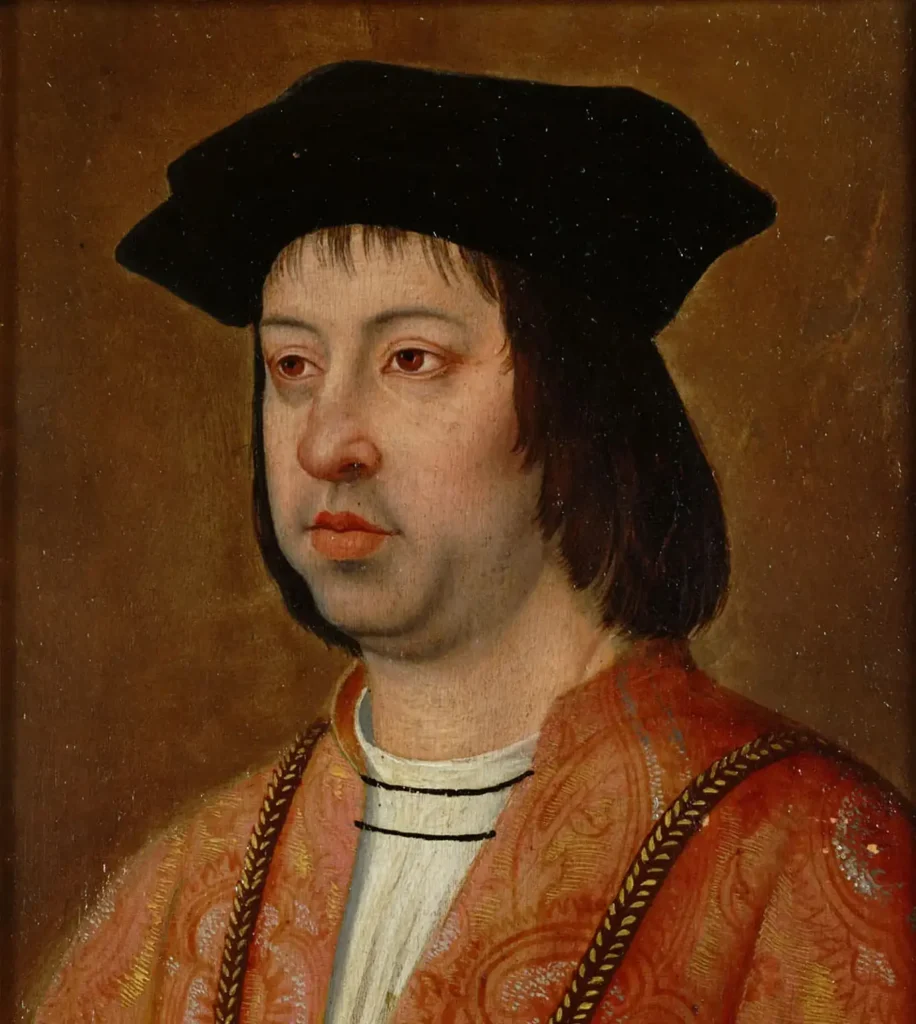
Fernando el católico

FERNANDO THE CATHOLIC

(1452-1516)

Fernando de Aragon, son of Juana Enriquez, husband of Isabel La Católica, great promoters of the discovery of America, was the one who accompanied his mother Juana during her stay in the castle.
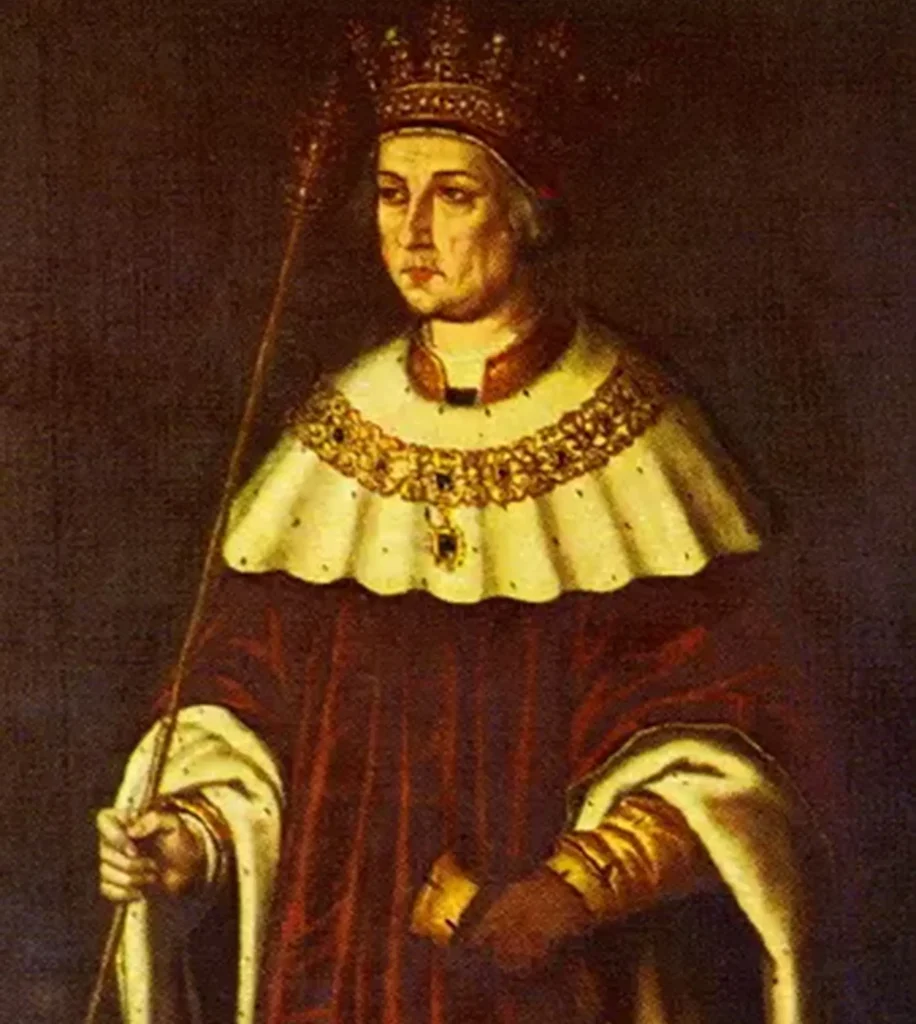
Pere de Rocabertí

PERE DE ROCABERTÍ

(1415-1493)

Pere de Rocabertí was the host of Juan Enriquez and his son Fernando, his loyalty to the crown and his role as an influential noble in the region were decisive for the castle to become a royal refuge in troubled times. In gratitude, Fernando the Catholic granted him the barony of Sant Mori

Why do holidaymakers choose to stay in Sant Mori?

Today, many holidaymakers choose Sant Mori as their summer retreat thanks to its unmatched rural charm. The homes, carefully restored following the traditional use of stone and tiled roofs, preserve the area’s authentic character. The village is surrounded by peaceful fields and pine forests, and lies just a short distance from the beaches of the Costa Brava.

This combination is ideal for those who wish to enjoy nature and the sea during the day, then return each evening to the serenity of the countryside. Sant Mori thus offers the chance to experience the Mediterranean lifestyle without giving up the peace and privacy of a historic setting, far from crowded tourist areas.

Here, life moves at a different pace, allowing visitors to disconnect and reconnect with history, nature, and the authentic Catalan way of life.

Live a Unique Experience at Sant Mori Castle

Book your stay at Sant Mori Castle and discover the history firsthand.

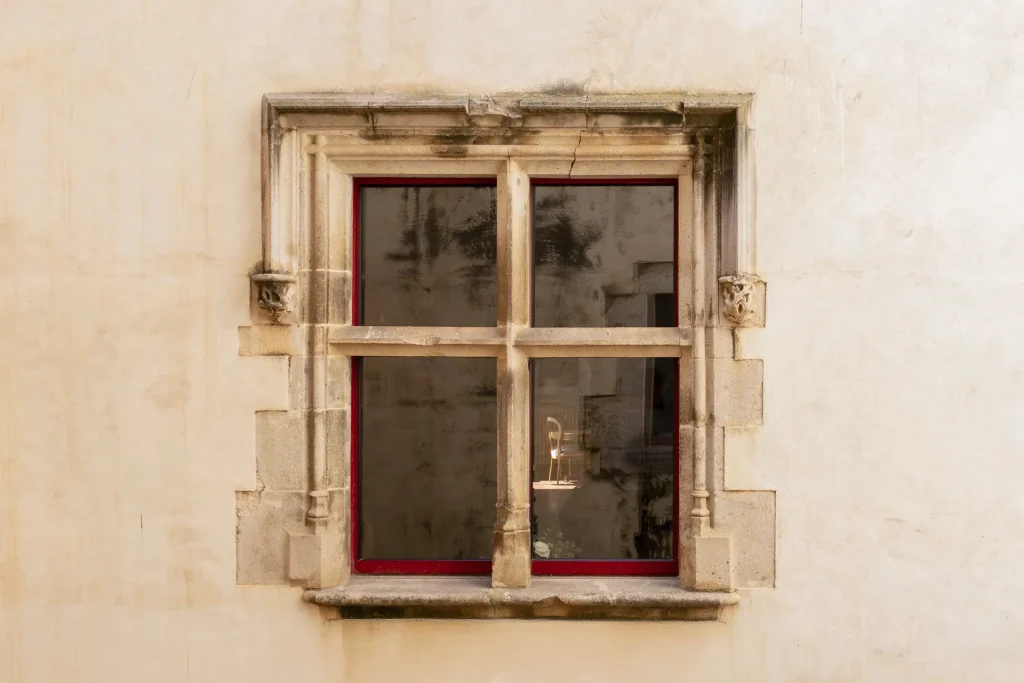
Finestreta de pedra antiga amb marc esculpit