
Discover the 5 Most Impressive Medieval Castles in Catalonia
History and Architecture
- Catalonia is a land rich in history, and its medieval castles bear witness to centuries of battles, nobility, and legend.
- From Templar fortresses to Renaissance palaces, these castles have withstood the passage of time and today stand as fascinating tourist destinations.
- In this article, we take you on a journey to discover the five most impressive medieval castles in Catalonia—their histories, architecture, and how you can visit them or even stay overnight in some of them.

The origins of Catalonia and the rise of fortresses
THE ORIGINS
The consolidation of Catalonia as a region around the year 1000 marked a turning point in the development of its landscape. At a time when a distinct identity was emerging, the need to protect territories and establish centers of power led to the construction of castles, monasteries, and walled cities throughout the region.
These castles did not serve solely as defensive bastions against invasions and feudal conflicts; they also became symbols of the birth of a unique culture. Medieval architecture, with its robust walls and towers, marked the beginning of an era in which fortresses were both places of refuge and representations of Catalonia’s social and political advancement.
Today, many of these structures still stand, inviting us to relive the history and evolution of a land shaped by the resilience and character of its earliest inhabitants.
full gallery of Sant Mori Castle
Explore our image gallery and be captivated by the elegance, history, and natural surroundings of Sant Mori Castle.
Why were so many castles built in Catalonia?
The hills and valleys of Catalonia are not dotted with castles by chance. Their locations are the result of centuries of conflict and strategic planning that shaped the Catalan landscape as we know it today.
First, invasions and occupations had a profound impact on the Middle Ages in this region. During the 8th century, Catalonia was conquered by Muslim forces advancing from the south, leaving a lasting imprint on the territory. However, this expansion did not last forever: the arrival of the Franks and the creation of the famous Hispanic March under the reign of Charlemagne transformed the area into a defensive frontier between the Christian and Muslim worlds. Fortresses were established on elevated points, allowing control over the land and early warning of any threat appearing on the horizon.
Over time, figures such as Ramon Berenguer IV expanded Catalan rule southward, which led to the construction of new fortresses in these reclaimed lands. As a result, two major historical areas emerged: Old Catalonia (Catalunya Vella) in the north and New Catalonia (Catalunya Nova) in the south—both defined by their defensive castles.
In summary, the region’s turbulent history made it necessary to build these imposing structures at strategic locations such as mountain peaks, hills, and border passes. Castles were not only symbols of power, but also the primary line of defense for protecting the population in times of uncertainty.
The 5 Most Emblematic Castles of Catalonia
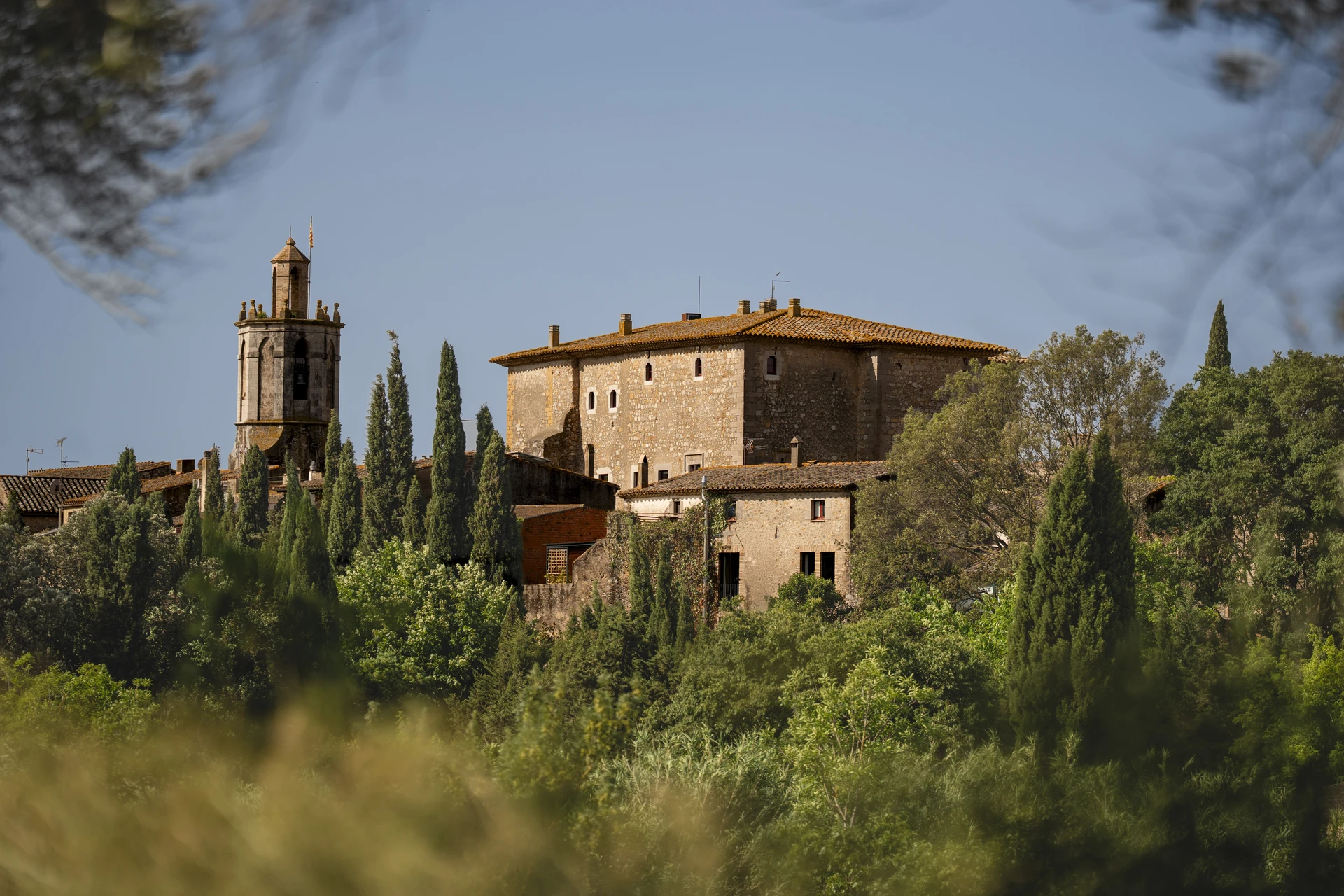
Sant Mori Castle
Girona
Ready to experience history firsthand?
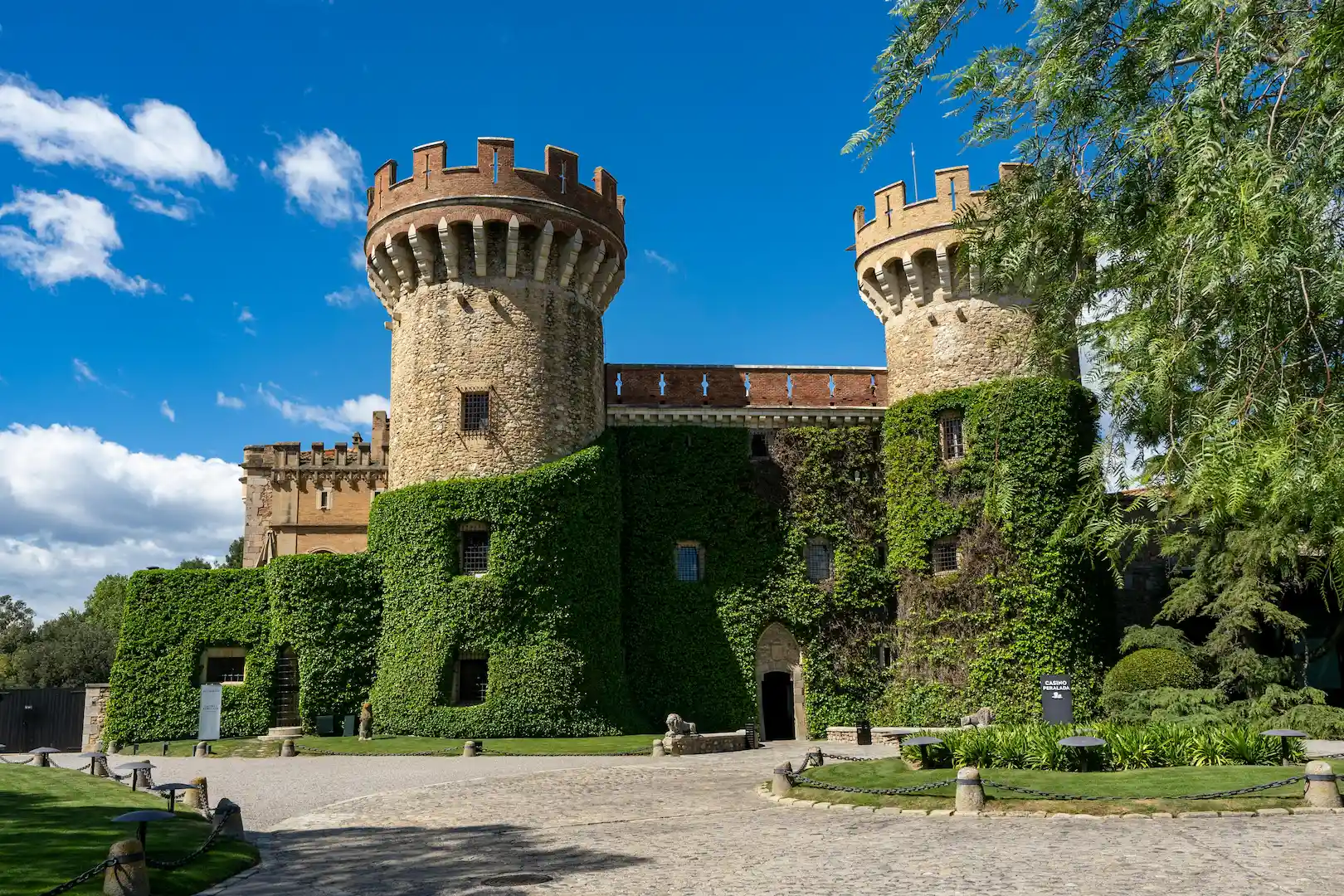
Peralada Castle
Girona
What role did the Hispanic March and the expansion of Ramon Berenguer IV play in the distribution of castles?
The Hispanic March and the expansion led by Ramon Berenguer IV played a fundamental role in the distribution of castles across Catalonia. The Hispanic March functioned as a defensive frontier against Al-Andalus, shaping an initial network of fortresses designed to protect and control border territories.
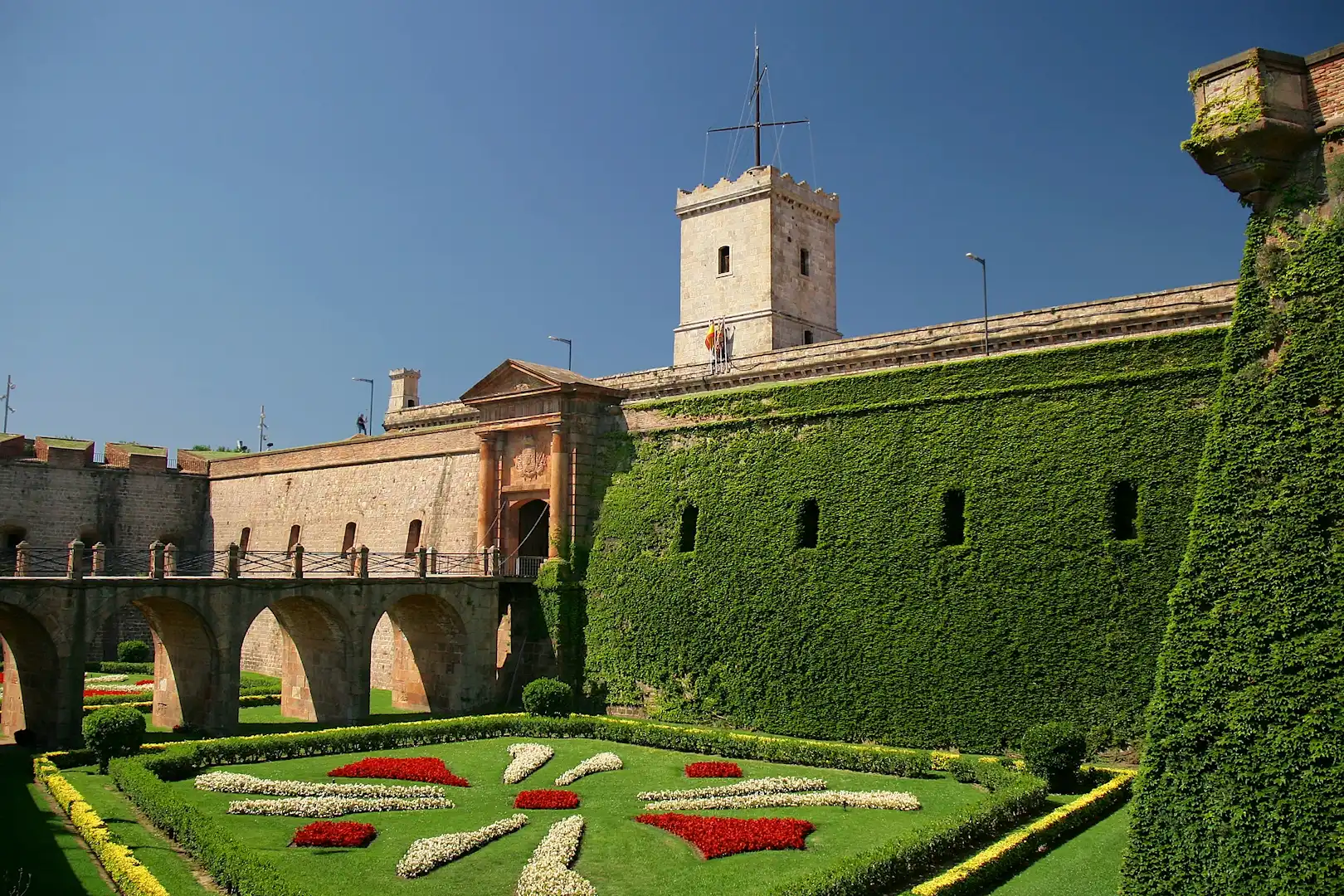
Photo by: Jorge Franganillo
Montjuïc Castle
Barcelona
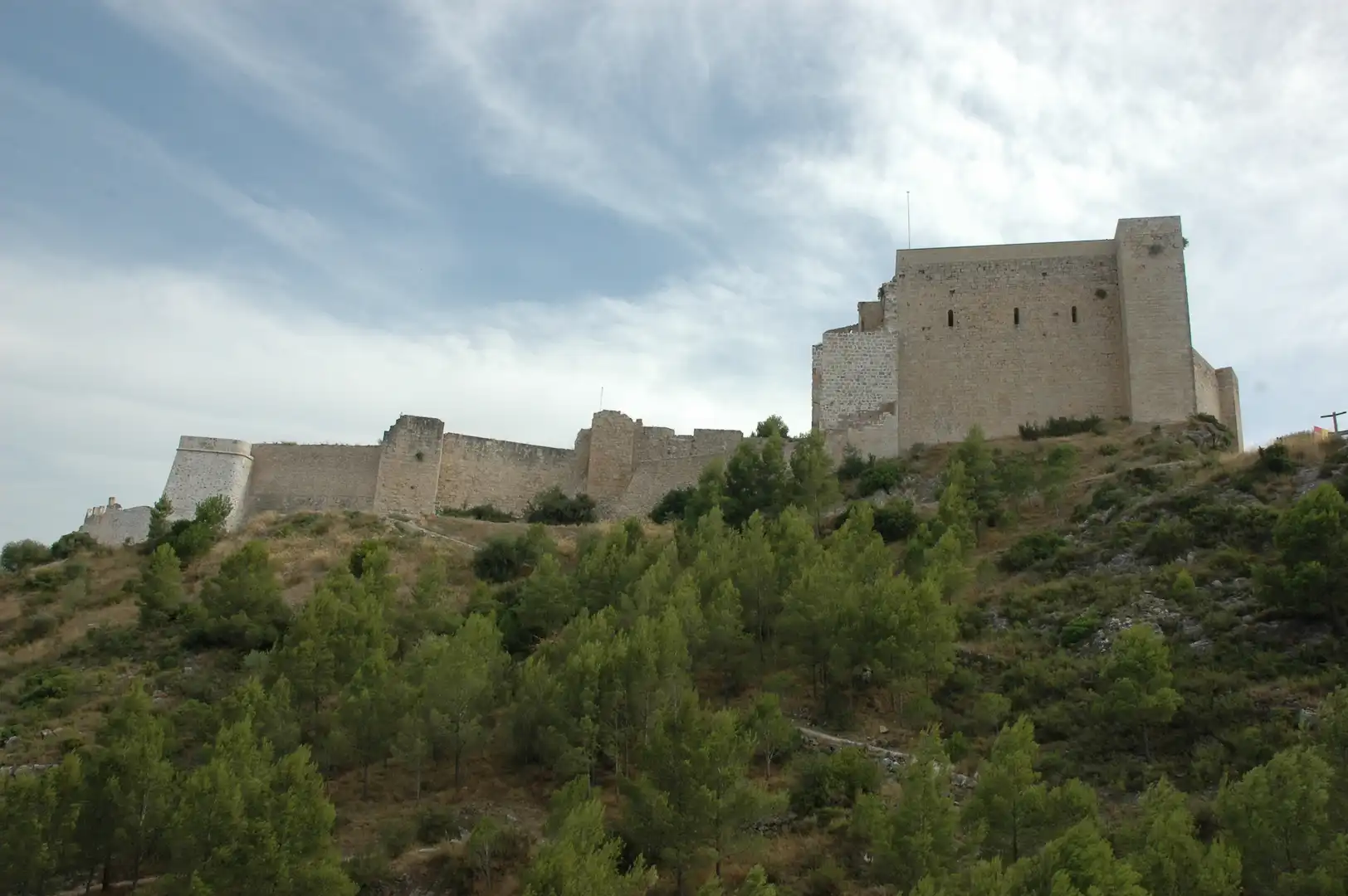
Photo by: Josep Renalias
Miravet Castle
Tarragona
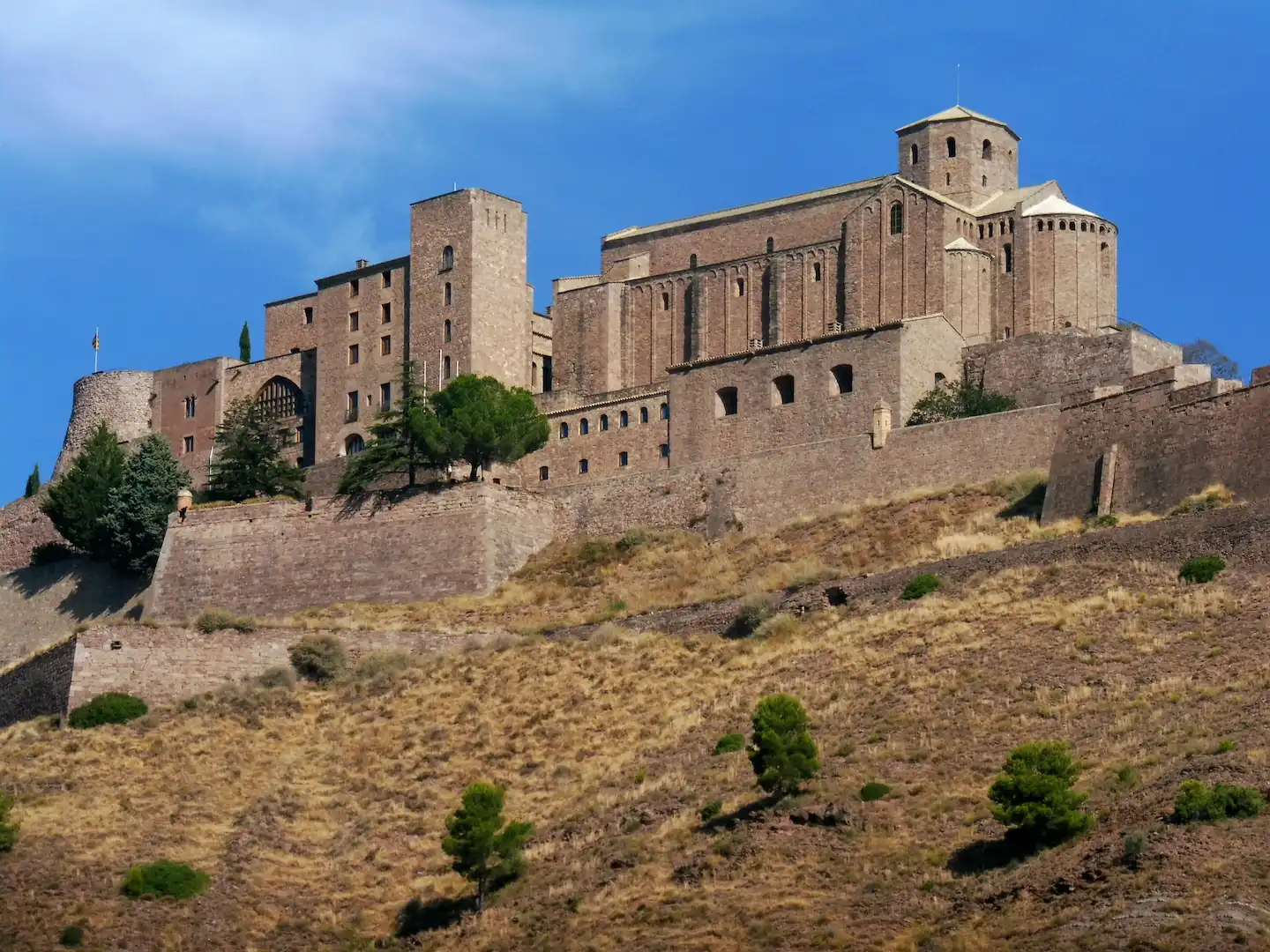
Photo by: Isidre Blanc
Cardona Castle
Barcelona
Discover how to experience staying in a medieval castle
Surrounded by stunning landscapes and with easy access from Barcelona and Girona, Sant Mori Castle offers the perfect combination of history, exclusivity, and comfort.
